

Things to Do in N'Djamena in April
April weather, activities, events & insider tips
Low Season · Budget Friendly
April Weather in N'Djamena
Long-run averages for April
107°F (42°C)
High Temp
78°F (26°C)
Low Temp
0.4 inches (10 mm)
Rainfall
13%
Humidity
12
Sunny-Day UV
⚠ Extreme heat risk with temperatures regularly exceeding 107°F (42°C). Heatstroke and dehydration are serious dangers without proper precautions. Take this seriously.
⚠ Very high UV index (12) requiring rigorous sun protection.
⚠ Potential for sudden, brief dust storms or haze from the Harmattan wind, reducing air quality and visibility. Pack a scarf.
Making the most of April in N'Djamena? Browse tours and activities in N'Djamena on GetYourGuide.
Is April Right for You?
Weigh the advantages and considerations before booking
Advantages
- + April is the absolute peak of the dry season in N'Djamena, with skies that are a cloudless, searing blue and essentially zero chance of rain ruining plans.
- + The city empties out at the peak of the heat - around 1pm to 4pm - meaning you can have places like the Grand Marché to yourself, a surreal experience compared to the usual morning cacophony.
- + This is the best month for photography around the city. The low humidity and desert-clear air make for sharp, vivid shots of the Chadian National Museum's unique architecture or the sun setting over the Chari River.
- + It's shoulder season for international tourism, so you'll find fewer crowds at the few formal attractions and a more authentic, local rhythm to daily life in N'Djamena's neighborhoods.
Considerations
- − The heat is not a suggestion; it's a physical presence. That average high of 107°F (42°C) feels like opening an oven door, and walking more than a few blocks between 11am and 4pm becomes a genuine endurance test.
- − The dry, dusty Harmattan wind from the Sahara can still linger early in the month, coating everything in a fine, red-orange powder and reducing visibility to a hazy blur.
- − Some smaller, locally-run tours or guides might be less active or harder to book, as many residents understandably minimize strenuous outdoor work during the peak heat of the day.
Short on time in April? See day trips around N'Djamena on GetYourGuide.
Best Activities in April
Top things to do during your visit
N'Djamena in April is defined by dry heat. The average high reaches 42 degrees Celsius, a figure that makes the air over the tarmac shimmer and paints the sky a pale, relentless blue. This is the peak of the hot season. The city moves to a slower, more deliberate rhythm. Locals seek the shade of neem trees during the midday hours. The scent of dust hangs in the still air, a constant companion until the sun dips below the horizon. April in N'Djamena is a final, intense breath before the change. It is the last month with minimal rainfall before the first, tentative showers of May arrive. The Chari River, an important ribbon of life through N'Djamena, flows at its lowest and calmest. Its brown waters reflect the stark light. Visitors will find a city engaged in daily commerce, from the morning bustle of the Grand Marché to the quiet evenings where the cooling air carries distant sounds of conversation and the occasional scent of grilled meat from roadside braziers. Travel here in April demands respect for the climate. Planning around the heat is essential. Mornings and late afternoons become the windows for exploration. The midday is for rest. This is not a month for casual strolling but for purposeful discovery in a place where the environment is a central, palpable character. The experience of N'Djamena is one of contrasting sensations. The searing touch of the sun versus the relief of a cool drink in a shaded courtyard. The silent expanse of the sky against the busy human activity that persists in its shadow.

N'DJAMENA The Elephant-Dandi rock and Doughia tourist resort
guided_experienceA trip from the capital to the Elephant-Dandi rock, a massive sandstone outcrop sculpted by wind into a peculiar shape, and then to the Doughia tourist resort for a view of the wide, slow-moving Chari River. The journey also glimpses the Sahelian landscape just beyond N'Djamena's outskirts, where the earth turns a deeper ochre and acacia trees dot the plains.
To witness the dramatic shift from urban N'Djamena to the raw, sculpted beauty of the Chari River's banks within a short trip.
Insider tip: Schedule this for the late afternoon, when the angle of the sun casts long shadows across the rock and the heat begins to subside, making the river views more comfortable.

SAHARA -Self Drive Ennedi
otherA demanding, self-guided expedition into the Ennedi Plateau, a UNESCO World Heritage site of deep canyons and natural sandstone arches. It involves navigating rough tracks past dunes and through valleys where the only sounds are the wind and your own engine, discovering rock art millennia old etched onto sheltered walls.
For the outstanding freedom to explore one of the Sahara's most spectacular and remote landscapes at your own pace.
Insider tip: Ensure your vehicle is equipped with a strong GPS system and multiple spare tires, as the terrain is unforgiving and services are nonexistent.

Visit of the Ennedi Nature Reserve 10 days
otherAn extended guided tour of the Ennedi Nature Reserve, a labyrinth of stone forests, natural pools, and towering arches. Over ten days, it includes trekking to hidden gueltas where desert wildlife gathers, touching cave walls adorned with ancient giraffe and cattle paintings, and sleeping under a blanket of stars so dense it feels tangible.
For a deep, sustained engagement with the archaeological and natural wonders of the Ennedi, far beyond what a brief visit can offer.
Insider tip: Break in sturdy hiking boots thoroughly before departure, as the exploration involves significant walking over rocky and sandy ground.

ETNIE - Traditional Gerewol dances
otherTo observe one of Africa's most visually striking and culturally specific ceremonies, a living tradition of nomadic peoples.
Insider tip: This is not a staged performance for tourists but an annual cultural event. Exact dates and locations vary each year based on pastoral cycles, requiring flexible planning and local guidance.

SAFARI - Zakouma National Park
otherA safari to Zakouma National Park, a successfully reborn conservation area in southeastern Chad, featuring vast herds of Kordofan giraffe moving through the savanna, the deep call of elephants at a waterhole, predators like lions and leopards in the golden light, and a landscape of floodplains and woodlands alive with birds and wild grasses.
To witness an extraordinary concentration of Central African wildlife in a park known for its effective anti-poaching efforts and thriving ecosystems.
Insider tip: April, at the very end of the dry season, is prime for wildlife viewing as animals congregate predictably around remaining water sources, making sightings more frequent.
This month: April falls at the end of the long dry season, when wildlife is highly concentrated around permanent water sources, offering exceptional viewing conditions.
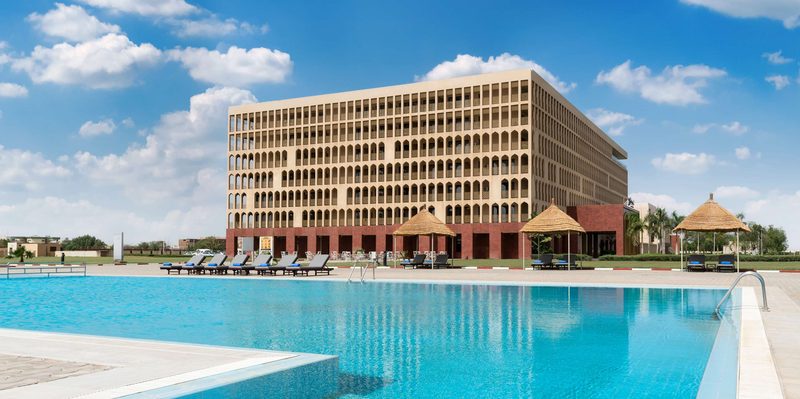
Where to Stay in N'Djamena in April
Hand-picked hotels across price tiers for April travellers.
Public Holidays in April
Dates that affect opening hours, transport and crowds
Easter Monday
Observed nationwide as a public holiday.
Packing Checklist
Bookmark this page — your progress is saved between visits
Need the full list with shopping links?
Climate-specific gear, brand recommendations, and what to leave at home.
View N'Djamena Packing List →Essential Tips
Insider knowledge and common pitfalls to avoid
Insider Knowledge
Adopt the local schedule. Plan all outdoor movement and activities for before 10:30am or after 4:30pm. The hours in between are for long lunches, museums, naps, or sitting in a shaded café with a cold drink. Fighting this rhythm is exhausting and pointless. Work with the heat, not against it.
The 'coolest' place in the city on an April afternoon is often the lobby of one of the larger hotels along the river. Order a pot of Chadian tea (a strong, sweet, three-stage ceremony) and watch the world go by in air-conditioned comfort. No one will mind if you linger. Stay put.
For the most authentic market experience without the overwhelming midday heat and crowds, ask a guide to take you to one of the smaller, neighborhood marches, like Marché de Chagoua. You'll get a more personal feel for daily commerce. Go early.
If you're feeling the heat, seek out a street vendor selling 'gelée' - a wobbly, milky, mildly sweet gelatin dessert sold in little plastic bags and kept cold. It's a classic, cheap, and effective local cooler. Buy two.
Avoid These Mistakes
Underestimating the sun and dehydration. Drinking only when thirsty isn't enough. If your urine isn't clear or very light yellow, you're behind. Headaches here are often dehydration first. Drink more.
Packing dark-colored or tight-fitting clothing. Black fabric absorbs heat. Your wardrobe should be light-colored, loose, and entirely natural or technical fibers. Denim is a misery. Leave it home.
Trying to pack too much into a single day. One major outdoor activity (like a market tour) plus one indoor/cool activity (like the museum) is a full, successful April day in N'Djamena. Greed leads to heat exhaustion. Pace yourself.
Ready to plan your trip to N'Djamena?
Now that you've got the research covered, here's where to go next.
Explore More Activities in N'Djamena
Didn't see anything interesting yet?
Browse Viator's full catalog of tours, day trips, food experiences, and private guides in N'Djamena.
See All N'Djamena Tours on Viator