

Things to Do in N'Djamena in September
September weather, activities, events & insider tips
Low Season · Budget Friendly
September Weather in N'Djamena
Long-run averages for September
93°F (34°C)
High Temp
74°F (23°C)
Low Temp
3.3 inches (84 mm)
Rainfall
81%
Humidity
12
Sunny-Day UV
⚠ High heat and extreme humidity pose a significant risk of heat exhaustion and dehydration. Constant hydration matters. Avoid midday sun. These precautions are essential. Your body will thank you.
Making the most of September in N'Djamena? Browse tours and activities in N'Djamena on GetYourGuide.
Is September Right for You?
Weigh the advantages and considerations before booking
Advantages
- + The land stays green from recent rains. Acacia trees and the Chari River banks look almost lush. Bone-dry months bookend the year. This is the brief window when the Sahel breathes.
- + N'Djamena's markets hit peak energy now. Fresh produce dominates. Mangoes, guavas, and peanuts pile high. Damp earth mingles with roasting meat and dried fish. The smell is intoxicating.
- + April and May's oppressive heat has broken. Air hangs heavy with humidity. Evenings bring noticeable relief. A breeze sometimes drifts off the river. Sleep comes easier.
- + Tourist numbers remain low. Cultural sites sit empty. The National Museum and Grande Mosquée are yours alone. Negotiate without crowds pressing behind you. Vendors have time to talk.
Considerations
- − Humidity hits hard. Eighty percent is typical. Damp heat clings to your skin within minutes. Clothes stick. Deodorant fails. This is September reality.
- − August's heavy rains have eased. September still delivers sudden downpours. Unpaved streets become impassable mud slicks. An hour later, the sun returns. Plan accordingly.
- − Sahelian sun punishes year-round. September's high humidity amplifies the UV index. Shade offers minimal relief from mugginess. The combination is exhausting. Hydration is non-negotiable.
Short on time in September? See day trips around N'Djamena on GetYourGuide.
Best Activities in September
Top things to do during your visit
N'Djamena in September is a city in transition. August's heavy rains have begun to recede. The air hangs thick. The earth turns a deep, damp brown, and the scent of wet soil rises from unpaved roads under a sky that can shift from searing blue to towering grey clouds in an afternoon. Locals move with renewed pace. They take advantage of the break in intense downpours to go about their business. Motorbikes splash through residual puddles. The sound is constant. This month has a reprieve, a bridge between the saturated green of the wet season and the coming arid heat. Days feel less oppressive than peak summer. They still carry the weight of the tropics. The measured average high for September in N'Djamena is 93 degrees Fahrenheit, with lows around 74, and an average rainfall of just over three inches. Compared to the nearly seven inches of August, this drier trend is palpable. The rhythm of life adjusts to the changing sky. It is a time for looking outward from the capital. Receding waters in the south and slightly cooled temperatures in the desert north make distant, notable landscapes more accessible. Planning a stay requires attention to these seasonal shifts. Conditions in N'Djamena itself directly influence travel to the country's famed natural reserves.

N'DJAMENA The Elephant-Dandi rock and Doughia tourist resort
guided_experienceThis guided experience takes you from N'Djamena to the striking Elephant-Dandi rock formation, a monumental sandstone sentinel rising from the plains, before continuing to the Doughia tourist resort on the banks of the Chari River. You will see the rock's weathered face catch the late afternoon light in ochre and gold. Later, you'll feel the cool river breeze and hear the lap of water against the shore.
It combines a dramatic geological spectacle with the serene, riverfront relaxation that is central to life along the Chari.
Insider tip: The light on the rock is most dramatic and the heat less intense if you schedule your visit for the late afternoon hours.

SAHARA -Self Drive Ennedi
otherThe SAHARA -Self Drive Ennedi offering is an expedition for the self-reliant. It places you behind the wheel to navigate the otherworldly terrain of the Ennedi Massif, a labyrinth of wind-carved arches, canyons, and natural rock sculptures. You will see shadows stretch across vast, silent plains of orange sand. You'll hear nothing but the wind whistling through stone corridors.
It provides an outstanding sense of isolation and discovery amidst one of the Sahara's most sculpted and beautiful landscapes.
Insider tip: Thorough mechanical checks on your vehicle in N'Djamena are non-negotiable. You must carry all necessary spare parts and supplies. Assistance is days away.

Visit of the Ennedi Nature Reserve 10 days
otherThe Visit of the Ennedi Nature Reserve 10 days is a deep immersion into a UNESCO World Heritage site. Guided treks lead you past ancient rock art depicting giraffes and cattle, through narrow gorges where permanent water holes attract wildlife, and under natural arches that frame the desert sky. You will feel the crunch of gravel underfoot. You'll smell the dry, clean scent of desert air. You'll see stars so dense they seem to drip from the black vault above.
It is a journey through a living museum of both natural architecture and human history etched in stone.
Insider tip: The rock art sites are fragile. Follow your guide's instructions precisely to avoid touching the panels. Oils from skin can cause damage.

ETNIE - Traditional Gerewol dances
otherETNIE - Traditional Gerewol dances provides a rare window into the cultural traditions of the Wodaabe people. It features the elaborate Gerewol ceremony where men adorned with intricate face paint, beads, and feathers perform rhythmic dances and songs to show beauty and grace. You will hear the hypnotic chant-like singing. You'll see the dazzling visual spectacle of costumes under the open sky.
It is a profoundly authentic and visually impressive display of a nomadic culture's social rituals, far from any staged performance.
Insider tip: This is a sacred cultural event. Maintain a respectful distance. Use cameras only with explicit permission. Observe without interrupting the proceedings.

SAFARI - Zakouma National Park
otherSAFARI - Zakouma National Park transports you to Central Africa's premier wildlife success story. It is a vast expanse of floodplains and savannah where herds of elephants kick up red dust, lions rest in the shade of acacia trees, and thousands of birds create a cacophony at watering holes. You will smell the wild sage after a rain. You'll taste the fine dust on your lips during a game drive. You'll hear the deep rumble of elephants communicating at dusk.
It offers some of the most reliable and thrilling wildlife viewing on the continent, with thriving populations of species once heavily poached.
Insider tip: The park's wetlands are fullest and birdlife is most prolific just after the rainy season. September is a dynamic time for sightings.
This month: September falls just after the peak rains, when water sources are abundant and the park is lush, attracting concentrated wildlife.
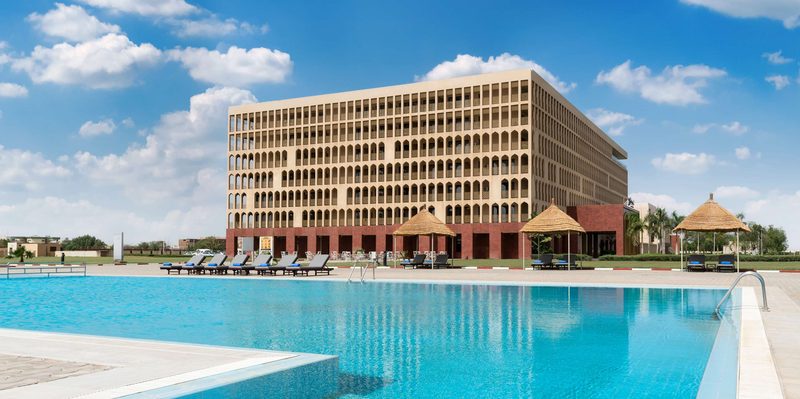
Where to Stay in N'Djamena in September
Hand-picked hotels across price tiers for September travellers.
Packing Checklist
Bookmark this page — your progress is saved between visits
Need the full list with shopping links?
Climate-specific gear, brand recommendations, and what to leave at home.
View N'Djamena Packing List →Essential Tips
Insider knowledge and common pitfalls to avoid
Insider Knowledge
Follow the river schedule. Outdoor activities, walks, market visits, and photography belong before 10:30 AM or after 4:30 PM. Midday hours suit long lunches, museum visits, or air-conditioned rest. Locals perfected this rhythm generations ago. Copy them.
The first rain after a dry spell turns the city's dust to a distinct, sweet-smelling mud. Locals celebrate this scent. They call it 'l'odeur de la première pluie.' Catch it, and you've experienced a local seasonal moment.
For the coolest sleep, book a hotel room facing the Chari River. The breeze off the water, however slight, makes a tangible difference. Rooms facing the city's heat-retaining streets stay warmer. Choose wisely.
If a sudden downpour catches you, don't fight it. Duck into the nearest café or shop. The rains are usually intense but short. Order tea or coffee. Watch the spectacle. It's a legitimate cultural activity.
Avoid These Mistakes
Underestimating the hydration needed. Drinking only when thirsty isn't enough. You need to constantly sip water throughout the day. Avoid heat exhaustion in this humidity. Keep a bottle handy.
Packing only shorts and t-shirts. While it's hot, long, loose, light layers are cooler. They offer important sun protection. They're also more culturally respectful when visiting neighborhoods or markets. Dress smart.
Trying to stick to a rigid, packed itinerary. The weather dictates the pace in N'Djamena in September. Build in flexibility. A morning rain might delay a boat tour. It opens a perfect museum window instead.
Ready to plan your trip to N'Djamena?
Now that you've got the research covered, here's where to go next.
Explore More Activities in N'Djamena
Didn't see anything interesting yet?
Browse Viator's full catalog of tours, day trips, food experiences, and private guides in N'Djamena.
See All N'Djamena Tours on Viator