

Things to Do in N'Djamena in August
August weather, activities, events & insider tips
Low Season · Budget Friendly
August Weather in N'Djamena
Long-run averages for August
89°F (31°C)
High Temp
73°F (22°C)
Low Temp
6.9 inches (175 mm)
Rainfall
84%
Humidity
12
Sunny-Day UV
⚠ Risk of sudden, heavy downpours causing flash flooding and severely degraded road conditions, on unpaved surfaces. Plan for disruption.
⚠ Extremely high UV index requires diligent sun protection.
⚠ Peak mosquito season necessitates rigorous malaria prevention measures.
Making the most of August in N'Djamena? Browse tours and activities in N'Djamena on GetYourGuide.
Is August Right for You?
Weigh the advantages and considerations before booking
Advantages
- + August brings the year's coolest days, a break from the furnace heat of March through May when highs top 100°F (38°C). Mornings feel almost cool. The air carries a damp, earthy scent.
- + The seasonal rains remake everything. Dusty ochre-brown streets turn suddenly green. Fresh grass pushes through vacant lots. Mango trees sag with glossy leaves. The Chari River banks grow lush.
- + This is dolé season, the fish migration up the Chari and Logone rivers. Markets pile high with fresh Nile perch and capitaine. Local cooking shifts to match the catch.
- + International tourism hits its lowest point. Museums and cultural sites sit largely empty. N'Djamena feels more local, less staged for visitors.
Considerations
- − Humidity stays oppressive, above 80% always. The air feels thick and warm, like a damp towel pressed against you. Nights barely cool. Paper and leather in your bag turn clammy.
- − Rain arrives hard. No gentle drizzle here. Powerful downpours turn unpaved roads to impassable mud within minutes. The city's basic drainage fails. Deep puddles appear suddenly.
- − Mosquitoes peak now. Standing water breeds them by the millions. Their low buzz at dusk never stops. Malaria prophylaxis is mandatory. Not optional.
Short on time in August? See day trips around N'Djamena on GetYourGuide.
Best Activities in August
Top things to do during your visit
N'Djamena in August is a city transformed by the peak of the rains. The air feels thick and earthy, carrying the scent of damp soil and wet concrete. This is the coolest month of the year for the capital, with average highs of 89 degrees Fahrenheit, a stark and welcome relief from the searing heat that dominates the other months. Locals move with a different rhythm, navigating the brief but intense downpours that leave the streets glistening and the sky washed a hazy, luminous gray. It is a time of replenishment, where the city pauses under the weight of the clouds, and the pace of life adjusts to the cadence of the storms. The city's palette shifts from dusty ochre to deep green as the rains coax life from the ground. You'll see water flowing in channels that lie empty for most of the year and hear the steady drumming of rain on corrugated tin roofs. Visiting during this window has a perspective on the city few travelers experience, one of quiet intensity and atmospheric drama far removed from the postcard imagery of perpetual sun.

N'DJAMENA The Elephant-Dandi rock and Doughia tourist resort
guided_experiencepresents a dramatic geological spectacle just outside the capital. You'll see the massive, weathered sandstone formation known as the Elephant-Dandi rock, its silhouette resembling a great beast against the sky, and feel the stark contrast of the modern resort's pool against the raw, sun-baked landscape. This guided experience provides a convenient escape to a place where the ancient earth feels palpable.
It is a chance to witness one of the region's well-known natural sculptures and enjoy resort comforts within a short drive of the city's edge.
Insider tip: Visit the rock formation in the very early morning to see the stone glow in the soft light and avoid the full intensity of the day's heat.

SAHARA -Self Drive Ennedi
otheris an expedition for the self-reliant, plunging you into the otherworldly terrain of the Ennedi Massif. You'll see cathedral-like arches of sandstone and deep canyons painted with millennia-old rock art, hear nothing but the wind carving through the rock, and feel the profound solitude of the Sahara.
This journey offers complete autonomy to explore one of the planet's most surreal and ancient landscapes at your own pace.
Insider tip: Meticulous logistical planning and a strong, fully equipped 4x4 vehicle are absolute necessities, not suggestions, for this remote self-drive.

Visit of the Ennedi Nature Reserve 10 days
otheris a deep immersion into a UNESCO world heritage site of staggering natural beauty. You'll see natural rock pillars that defy gravity, discover hidden gueltas where water collects in desert pools, and feel the crunch of sand underfoot in silent valleys untouched by time.
It is a complete exploration of a reserve that contains the Sahara's most impressive geological wonders and a fragile ecosystem.
Insider tip: Pack for extreme temperature swings. Nights in the desert can feel surprisingly cool even in August, while daytime sun is relentless.

ETNIE - Traditional Gerewol dances
otherhas a privileged glimpse into the busy cultural expressions of the Wodaabe people. You'll see the elaborate makeup and ornate costumes of the male dancers, hear the rhythmic clapping and melodic chants, and feel the charged atmosphere of this ceremonial courtship ritual.
It is a unique opportunity to observe a living cultural tradition of notable beauty and social complexity.
Insider tip: This is a ceremonial event, not a performance. Observe with respectful distance and follow any guidance from your local guide or hosts meticulously.

SAFARI - Zakouma National Park
otheris a triumph of conservation, offering some of Central Africa's most thrilling wildlife encounters. You'll see vast herds of elephants stirring dust clouds, hear the roar of lions at dusk, and smell the wild sage in the air of the savanna.
Zakouma provides an outstanding chance to witness the majestic recovery of African wildlife in a landscape of floodplains and forests.
Insider tip: The end of the rainy season in August can mean lusher vegetation. Patience at waterholes often yields the best wildlife viewing as animals congregate.
This month: August falls within the park's wet season, when some tracks may be muddy and certain areas less accessible. But the landscape is vividly green and birdlife is prolific.
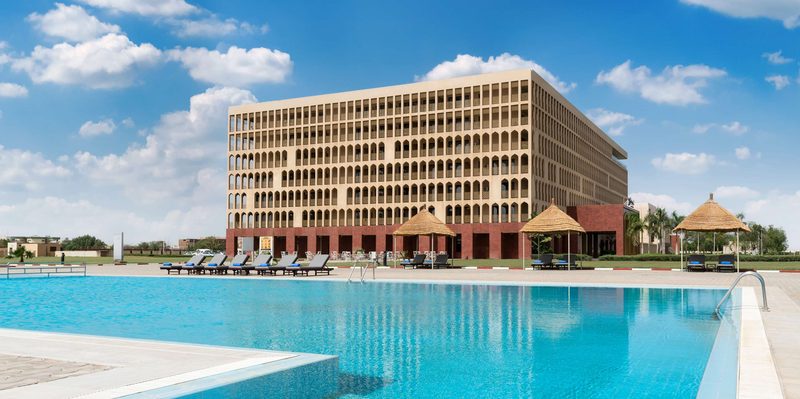
Where to Stay in N'Djamena in August
Hand-picked hotels across price tiers for August travellers.
Public Holidays in August
Dates that affect opening hours, transport and crowds
Independence Day
Observed nationwide as a public holiday.
Independence Day
Observed nationwide as a public holiday.
Packing Checklist
Bookmark this page — your progress is saved between visits
Need the full list with shopping links?
Climate-specific gear, brand recommendations, and what to leave at home.
View N'Djamena Packing List →Essential Tips
Insider knowledge and common pitfalls to avoid
Insider Knowledge
Follow the 'dolé' beyond the market. In the evenings, along the Chari near the fishermen's quarters, you'll find makeshift grills set up, cooking the day's catch fresh over charcoal. It's smoky. It's simple. It's the best fish you'll eat in N'Djamena.
Move between 7 AM and 11 AM. The city is awake, the heat is manageable, and the sky is usually clear. Schedule all outdoor activities and transit for this window. Afternoons are for retreat. Rain or shine.
If caught in a downpour, don't push through. Duck into the nearest shop, café, or under a substantial awning. Traffic becomes chaotic. Visibility drops to zero. Crossing streets is hazardous. Wait it out. Most storms pass in 30-45 minutes.
Embrace the 'tisane' culture. Locals drink vast quantities of hot, sweet herbal tea (often kinkeliba) regardless of the temperature. It's a social ritual. They swear it helps regulate the body in the humidity. Accept an invitation to share a pot.
Avoid These Mistakes
Don't underestimate the humidity's effect on pace. Trying to maintain a busy, go-go sightseeing schedule will lead to exhaustion. Plan one major activity per day. Take long, slow breaks in between.
Waterproof everything. Assume any bag you carry will get wet inside from humidity or rain. Passports, money, and electronics need a secondary layer of protection at all times. No exceptions.
Avoid dark-colored clothing. It absorbs the fierce sun and shows every splash of mud. Light colors are cooler. They're more practical for the conditions. Pack accordingly.
Ready to plan your trip to N'Djamena?
Now that you've got the research covered, here's where to go next.
Explore More Activities in N'Djamena
Didn't see anything interesting yet?
Browse Viator's full catalog of tours, day trips, food experiences, and private guides in N'Djamena.
See All N'Djamena Tours on Viator